
Let Interior Views Flow Seamlessly Into the Garden

Welcome to an exploration of landscaping and hardscaping that extend interior sightlines, turning every window into a beckoning invitation outdoors. By aligning axes, echoing materials, and managing scale, we’ll help your rooms feel larger and brighter. Expect practical guidance, soulful stories, and repeatable design moves that make patios, paths, and plant layers support the vistas you already love inside. Share your questions and sketches—together, we can refine a view that guides you gracefully outside.

Reading the Lines: From Sofa to Skyline

Start by mapping the quiet geometry already present inside—sofa edges, island length, fireplace axis, and the rhythm of mullions. When those lines continue across thresholds into paving joints, path alignments, and bed shapes, rooms appear to stretch beyond the glass. This sense of continuity calms the eye and simplifies decision-making. We’ll identify anchor points, set priority vistas, and decide which distractions to edit away so the garden becomes a natural extension of your favorite interior moments.

Aligning Axes With Purpose

Stand where you usually sit, then draw an imaginary line through the room’s strongest form—perhaps a dining table or a stove flue—and carry it outward with a centered path, low wall, or narrow rill. This movement creates direction and depth. Avoid overcomplication; a single continued axis beats competing angles. Test your alignment by photographing from eye level and confirming the outside cue lands precisely where the interior line begins.

Framing Views, Not Just Doors

Treat windows like picture frames and curate what they hold. A clipped hedge can serve as the lower mat, a sculptural tree as the subject, and a textured fence as the backdrop. If a neighbor’s roof intrudes, raise the frame’s bottom edge with layered planting. Where privacy is necessary, swap solid blocks for filtered screens, letting flecks of light promise depth while still respecting boundaries and preserving a refined, extended gaze.

Ground Plane Continuity

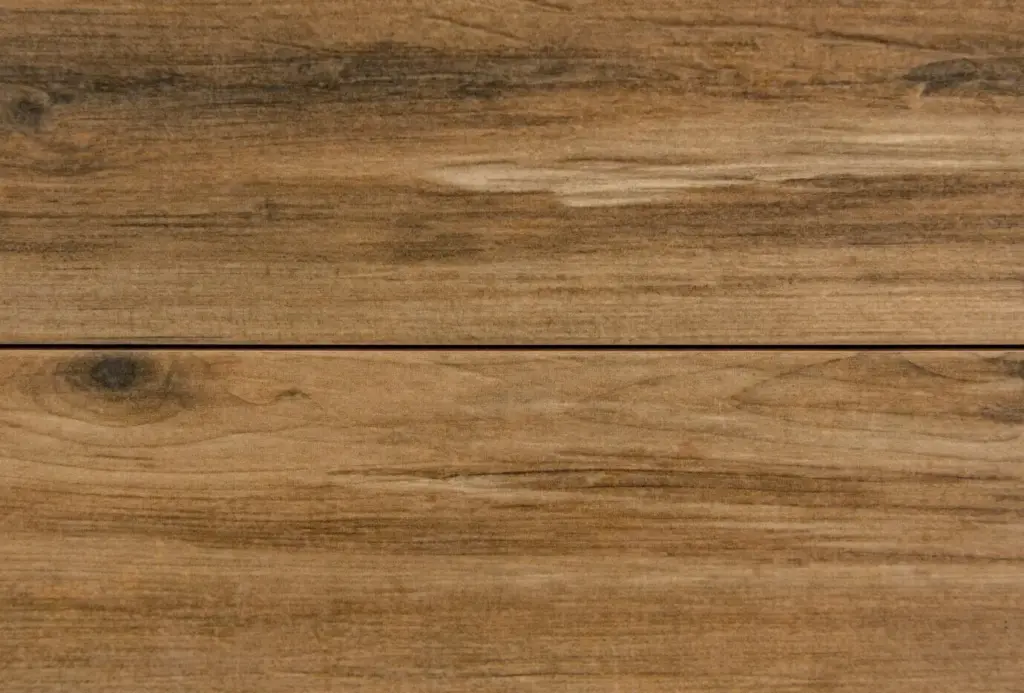
Your floor’s tone and direction can quietly continue outside through complementary stone, brick, or composite patterns. Avoid a perfect match; aim for a harmonious cousin that respects weathering and slip resistance. Keep joint spacing and plank orientation consistent with interior cues to stretch perception. A slim threshold and consistent elevation minimize visual breaks. If level changes are required, integrate broad, shallow steps that read like carpeted risers receding gracefully into the landscape.

Plants That Protect Views and Pull the Eye

Planting should play rhythm guitar, not overpower the melody. Reserve tall elements for distant punctuation, use medium layers to shape movement, and keep foregrounds comfortably low near windows. Choose textures that read clearly from inside: fine grasses shimmer, glossy leaves catch light, and evergreens quietly anchor the composition. Seasonal openness matters too; decide where winter transparency is welcome and where evergreen structure or pleached canopies maintain privacy without sacrificing depth or daylight during darker months.

Hardscape Moves That Direct Vision

Stone, brick, wood, and steel become arrows for the eye. Subtle choices—joint layout, board orientation, and edge thickness—determine whether attention drifts or propels forward. Keep materials coherent with interior finishes without forcing exact replicas. Choose durability and texture that perform outdoors while keeping color temperature familiar. Paths should narrow slightly as they recede, amplifying depth. Low walls and benches can clock sightlines like punctuation marks, organizing space without breaking the narrative that begins indoors.

Material Echoes, Not Mirrors

If your interior floor is pale oak, pick a light, warm-toned paver or composite with analogous undertones rather than imitating wood directly. This echo respects weathering, avoids uncanny mimicry, and maintains a comfortable transition. Mid-sheen finishes bounce light toward the interior without glare. Edge details matter; a bullnose step that mirrors a stair nosing subtly unifies spaces. Keep maintenance in mind so the exterior stays crisp and the visual promise remains trustworthy.

Patterns and Joints as Visual Guides

Run paver joints parallel to dominant interior lines, avoiding busyness near thresholds. Where interiors feature chevron or herringbone, reinterpret the angle outside at a larger module for clarity at distance. Introduce a long soldier course aligned with a window mullion to underline the intended vista. Avoid checkerboard contrasts that fragment attention. Consistency trumps novelty; when the eye subconsciously tracks a tidy joint, depth increases and the garden appears to belong to the room.

Light That Carries Lines After Sunset

Nightfall can either flatten the garden or deepen it dramatically. Thoughtful lighting preserves extended sightlines by lifting key forms, keeping ground planes legible, and controlling window reflections. Balance interior dimming with gentle outdoor layers so the eye prefers looking outward. Uplights sculpt trunks like columns, path lights create cadence, and soft wall washers continue interior brightness cues. Aim for warm temperatures and shielded sources, prioritizing comfort, ecology, and a restful, spacious evening outlook.

Balconies and Rails That Vanish

Choose cable, rod, or laminated glass rails with narrow posts to minimize interruption at seated eye height. Align the top rail with a strong interior datum, like a countertop or window mullion, so the horizon reads unbroken. Keep planters low and linear, doubling as benches or storage. A single, slender tree in a deep container can anchor the view without dominating, making the whole space appear larger from your living room.

Mirrors, Water, and Clever Illusions

A bronze-tinted mirror tucked at an angle can bounce distant greenery back toward the window, extending perceived depth without revealing itself directly. Similarly, a slim rill or reflecting bowl, aligned with interior lines, multiplies light and movement. Ensure reflections hide fixtures and clutter. These illusions work best with restraint, forming a quiet duet with the room rather than a spectacle, so the extended outlook feels elegant and believable.

Courtyard Cohesion With Few Moves

In enclosed spaces, pick one strong axis from the interior and let it govern paver layout, planter edges, and a single focal piece—perhaps a sculptural container or slender water spout. Keep walls light in color to bounce brightness. Use evergreen structure for year-round clarity and limit accents to two tones. The reduced vocabulary reads clean from inside, expanding the room through visual order, not sheer size or ornament.

Practicalities That Keep the Vision Clear
Engineering and maintenance decisions underpin every beautiful view. The flattest thresholds need excellent drainage. Material selections must tolerate freeze-thaw cycles, salt, and sun. Roots demand respectful distances, and lighting should protect wildlife. Plan for access, irrigation, and future growth so your extended sightlines remain open without constant battles. When function is elegant, the outward view stays crisp, the garden ages gracefully, and the whole composition remains trustworthy in every season.
Xetuzafenekuru
Privacy Overview

This website uses cookies so that we can provide you with the best user experience possible. Cookie information is stored in your browser and performs functions such as recognising you when you return to our website and helping our team to understand which sections of the website you find most interesting and useful.